The human body is a marvel of biological engineering, a complex system that constantly works to maintain balance and keep us healthy. One of its most fascinating and often misunderstood functions is sweating. While we often associate sweat with strenuous activity or moments of intense emotion, its presence and purpose are far more nuanced. So, where is sweat located? It’s a question that unlocks the glorious science of perspiration, revealing how this seemingly simple bodily fluid plays a vital role in our overall well-being, from regulating our temperature to communicating our internal state.
This article will embark on a comprehensive journey to understand the intricate world of sweat. We’ll explore the anatomy of sweat glands, the diverse locations where sweat originates on our bodies, and the remarkable reasons why we sweat. Prepare to be enlightened as we delve into the secrets of this natural, cooling mechanism that’s always working behind the scenes.
The Astonishing Anatomy of Sweat: Unveiling the Sweat Glands
Before we pinpoint the exact locations, it’s crucial to understand the biological structures responsible for producing sweat: the sweat glands. These tiny, coiled tubular glands are embedded within our dermis, the middle layer of our skin. There are two primary types of sweat glands, each with distinct characteristics and functions:
Eccrine Sweat Glands: The Body’s Ubiquitous Cooling System
Eccrine glands are the most numerous type, found virtually all over the surface of our skin, with the highest concentrations on the soles of our feet, palms of our hands, and forehead. These glands are directly connected to the skin’s surface via a pore, allowing sweat to be released immediately.
- Structure: Each eccrine gland consists of a coiled secretory portion in the dermis and a duct that extends to the skin’s surface.
- Function: Their primary role is thermoregulation. When our body temperature rises, eccrine glands secrete a watery fluid composed mainly of water, electrolytes (like sodium and chloride), and small amounts of other substances like urea and lactic acid. As this sweat evaporates from our skin, it carries heat away, effectively cooling us down. This makes them indispensable for staying comfortable during hot weather or physical exertion.
- Activation: Eccrine glands are activated by nerve signals from the sympathetic nervous system, responding to changes in body temperature or emotional stimuli.
Apocrine Sweat Glands: The Emotional and Hormonal Responders
Apocrine glands are larger than eccrine glands and are typically found in specific areas of the body, including the armpits (axillae), groin, around the nipples, and eyelids (modified into the glands of Moll). Unlike eccrine glands, their ducts usually empty into hair follicles rather than directly onto the skin surface.
- Structure: These glands have a larger secretory portion and their ducts often connect to hair follicles.
- Function: Apocrine sweat is thicker and more viscous than eccrine sweat, containing fats, proteins, and pheromones. While not directly involved in thermoregulation, apocrine glands are activated by stress, fear, excitement, and hormonal changes, particularly during puberty. The breakdown of apocrine sweat by bacteria on the skin is what often causes body odor. This type of sweating is less about cooling and more about signaling and communication.
- Activation: Like eccrine glands, apocrine glands are also innervated by the sympathetic nervous system, but their activation is more strongly linked to emotional and hormonal triggers.
Pinpointing the Location: Where is Sweat Located on the Human Body?
Now that we understand the mechanisms, let’s explore the specific areas where we experience sweat, highlighting the dominant gland types in each region and their respective functions.
The Forehead and Scalp: A Prime Zone for Cooling
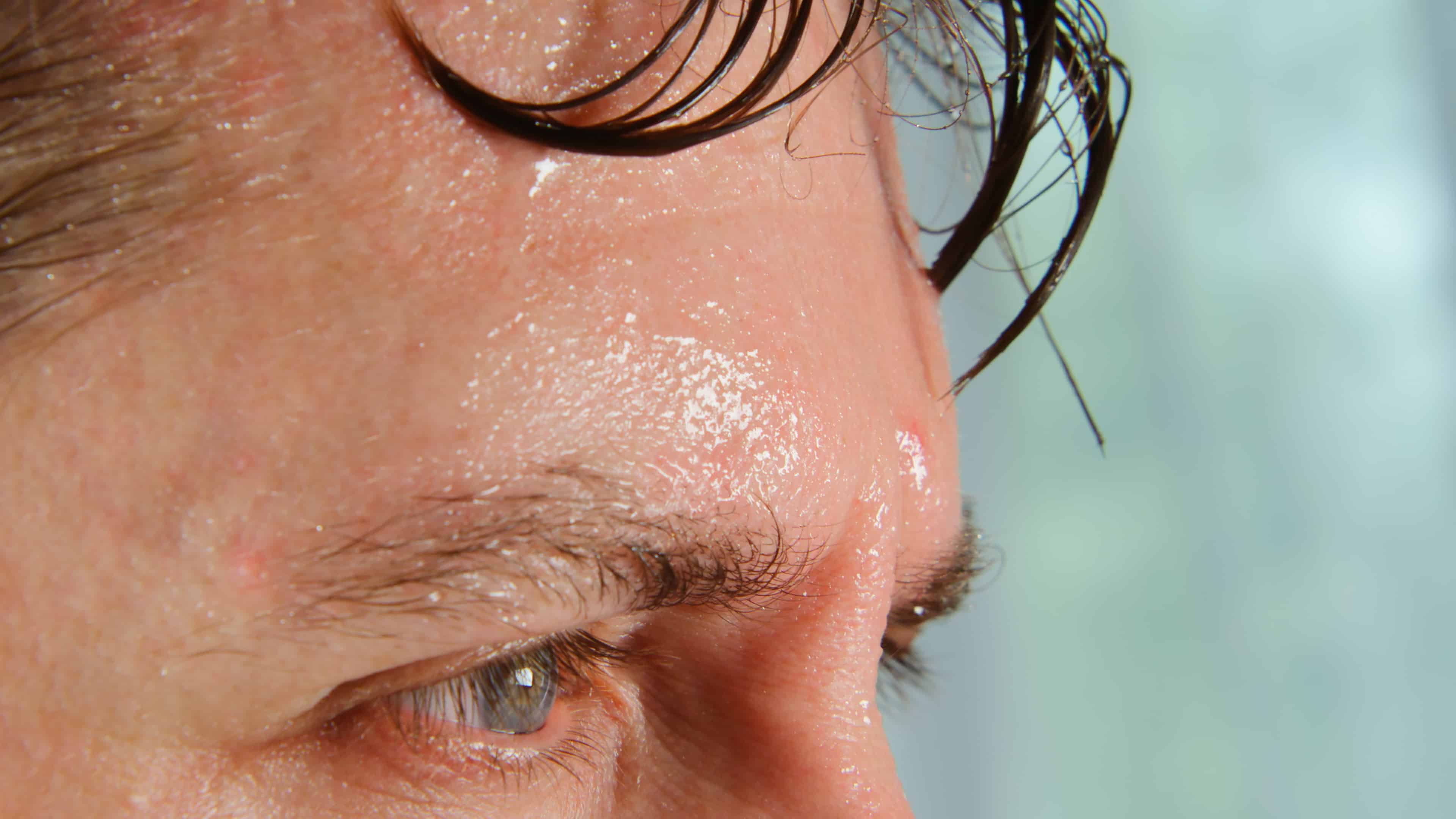
The forehead and scalp are densely populated with eccrine sweat glands, making them highly effective at dissipating heat from the head. This is why, during intense exercise or when the sun beats down, you’ll often feel sweat trickling down your forehead.
- Dominant Gland Type: Eccrine.
- Primary Function: Thermoregulation. This is especially important for the brain, which needs to maintain a stable temperature for optimal function. The evaporation of sweat from the scalp and forehead helps prevent overheating of this vital organ.
The Palms and Soles: Sweat for Grip and Stability
Interestingly, the palms of our hands and the soles of our feet have a remarkably high concentration of eccrine sweat glands, second only to areas like the lips. While it might seem counterintuitive for areas involved in gripping and walking, this sweat serves a crucial purpose: enhancing friction.
- Dominant Gland Type: Eccrine.
- Primary Function: Friction and grip. The thin layer of moisture secreted by eccrine glands on our palms and soles improves our ability to hold onto objects and maintain stability when walking or running, especially on smooth surfaces. This is an evolutionary adaptation that aids in climbing and navigating various terrains.
The Armpits (Axillae): A Hub for Both Types of Sweat
The armpits are a unique area where both eccrine and apocrine sweat glands are abundant. This dual presence means that armpit sweat can serve both cooling purposes and carry emotional and hormonal signals.
- Dominant Gland Types: Eccrine and Apocrine.
- Primary Functions:
- Eccrine: Contributes to overall body cooling, especially during exertion.
- Apocrine: Responsible for the characteristic body odor associated with the armpits, as bacterial decomposition of its components occurs. This is also where pheromones are released, though their role in human communication is still a subject of scientific inquiry.
The Groin and Perineal Area: Specialized Cooling and Signaling
Similar to the armpits, the groin and perineal regions are rich in apocrine sweat glands, alongside eccrine glands. These areas are crucial for thermoregulation and also play a role in scent signaling.
- Dominant Gland Types: Eccrine and Apocrine.
- Primary Functions:
- Eccrine: Aids in cooling these sensitive areas.
- Apocrine: Contributes to body odor and the potential release of pheromones. The moist environment of the groin also helps to reduce friction between the thighs.
The Back and Chest: Extensive Cooling Networks
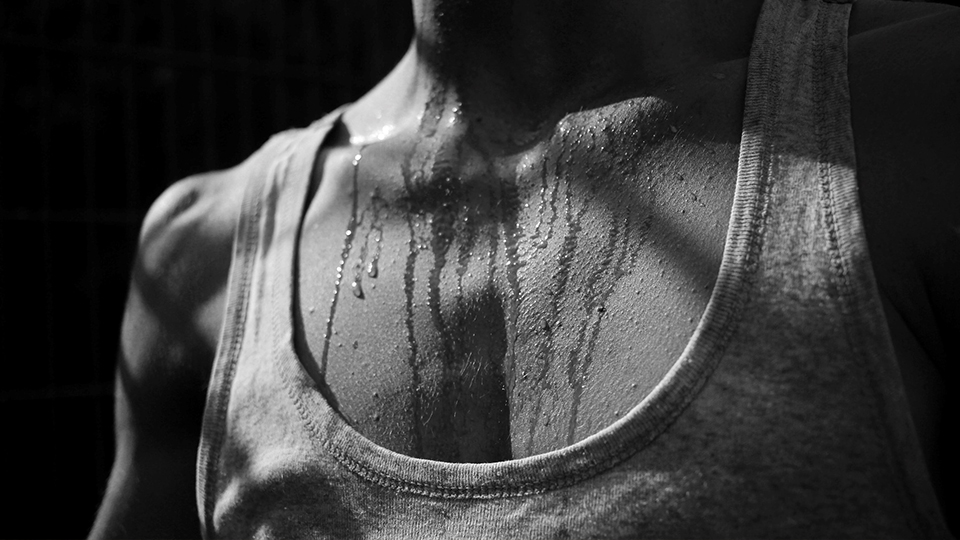
The back and chest are vast expanses of skin covered in a dense network of eccrine sweat glands. These areas are major players in regulating our body temperature, especially during prolonged physical activity.
- Dominant Gland Type: Eccrine.
- Primary Function: Thermoregulation. The large surface area allows for efficient heat dissipation, preventing our core body temperature from rising to dangerous levels.
The Face (Cheeks, Nose, Chin): Expressive Sweating
Beyond the forehead, the rest of the face also contains eccrine sweat glands, contributing to overall cooling. However, facial sweating can also be a significant indicator of emotional states.
- Dominant Gland Type: Eccrine.
- Primary Functions: Thermoregulation and emotional expression. Blushing, a common physiological response to embarrassment or excitement, involves increased blood flow and sweat production in the facial region.
Less Obvious, But Still Sweaty Spots:
While the above are the most prominent areas, it’s important to remember that eccrine glands are present all over our body, meaning almost every inch of our skin has the potential to sweat. This includes:
- Neck: Essential for cooling the head and neck area.
- Arms and Legs: Contribute to overall body cooling during physical activity.
- Abdomen: Plays a role in thermoregulation.
Why Do We Sweat? Unpacking the Essential Purposes
Understanding where is sweat located is only half the story. The "why" behind sweating is equally fascinating and fundamental to our survival and comfort.
1. Thermoregulation: The Body’s Internal Air Conditioner
This is the most well-known and critical function of sweating. When our internal temperature rises above the optimal 98.6°F (37°C), our hypothalamus (the brain’s thermostat) signals the eccrine sweat glands to activate. As sweat evaporates from our skin, it absorbs heat from our body, effectively lowering our temperature. This continuous process is vital for preventing heatstroke and other heat-related illnesses.
2. Emotional and Stress Response: The Body’s Indicator of Feelings
As mentioned earlier, apocrine sweat glands are particularly responsive to emotional stimuli. Stress, anxiety, fear, and excitement can trigger sweating even when our body temperature isn’t elevated. This "nervous sweat" is often localized to areas rich in apocrine glands, such as the armpits and groin. It’s believed to be an evolutionary response, potentially preparing us for "fight or flight" situations.
3. Detoxification (A Minor Role):
While not its primary function, sweat does excrete small amounts of metabolic waste products and toxins from the body, such as urea, ammonia, and heavy metals. However, the kidneys and liver are the primary organs responsible for detoxification, and the amount of waste removed through sweat is relatively insignificant in comparison.
4. Enhanced Grip and Traction:
As discussed with the palms and soles, the moisture produced by eccrine glands in these areas is crucial for improving our grip and preventing slips, especially during physical activities.
5. Communication (Pheromones):
The apocrine sweat glands release compounds that can act as pheromones, subtle chemical signals that may influence the behavior and mood of others. While the extent of pheromonal communication in humans is still debated, it’s a fascinating Dimple design studio online shopping unveiling exquisite treasures aspect of sweat’s potential role in social interaction.
Factors Influencing Where and How Much We Sweat
The amount and location of sweat can vary significantly from person to person and even within the same individual depending on several factors:
- Genetics: Some people are naturally predisposed to sweat more than others.
- Activity Level: The more strenuous the physical activity, the more our body needs to cool down, leading to increased sweating.
- Environmental Temperature and Humidity: Hot and humid conditions will naturally induce more sweating. High humidity can make evaporation less efficient, leading to a feeling of being sticky.
- Hydration Levels: Being well-hydrated is crucial for effective sweating. Dehydration can impair the body’s ability to produce sweat.
- Emotional State: Stress, anxiety, and excitement can trigger apocrine sweating.
- Medications: Certain medications can have sweating as a side effect.
- Medical Conditions: Conditions like hyperhidrosis (excessive sweating) or anhidrosis (inability to sweat) directly affect sweat production.
- Hormonal Changes: Puberty, menstruation, pregnancy, and menopause can all influence sweating patterns.
Addressing Common Concerns About Sweat
It’s common to have questions and sometimes concerns about sweating. Let’s address a few:
Is Sweating Good for You?
Generally, yes! Sweating is a natural and essential bodily function that helps regulate our temperature, a critical aspect of our health. It’s a sign that our body is working effectively to maintain its internal balance.
What Causes Excessive Sweating?
Excessive sweating, known as hyperhidrosis, can be primary (no identifiable cause) or secondary (due to an underlying medical condition, medication, or hormonal imbalance). If you experience persistently heavy sweating that disrupts your daily life, it’s advisable to consult a healthcare professional.
How Can I Manage Sweat and Odor?
Maintaining good hygiene is key. Regular bathing with soap helps to remove sweat and bacteria. Antiperspirants work by temporarily blocking sweat ducts, while deodorants mask or neutralize body odor. Wearing breathable fabrics can also help.
The Celebratory Nature of Perspiration
So, where is sweat located? It’s everywhere, a testament to our body’s incredible ability to adapt and thrive. From the subtle coolness on our forehead after a brisk walk to the tell-tale signs of nerves before a big event, sweat is a constant companion, working tirelessly to keep us comfortable and healthy. It’s a reminder of our vibrant, living selves, a glorious manifestation of our internal processes.
Next time you feel a bead of sweat trickle down your skin, take a moment to appreciate the intricate biological ballet that’s taking place. It’s a sign of a body functioning as it should, a natural wonder that deserves our understanding and respect. Embrace the sweat; it’s a vital part of what makes us human and resilient.
Frequently Asked Questions (FAQ)
Q1: Where are the majority of sweat glands located?
A1: The majority of sweat glands are eccrine glands, which are found all over the body, with particularly high concentrations on the soles of the feet, palms of the The ultimate guide to chic sweatpants sets for women comfort meets style hands, and forehead.
Q2: What is the primary function of sweat?
A2: The primary function of sweat is thermoregulation, or the regulation of body temperature. It cools the body through evaporation.
Q3: Do apocrine sweat glands cause body odor?
A3: Yes, apocrine sweat itself doesn’t have a strong odor. However, when bacteria on the skin break down the components of apocrine sweat (fats and proteins), it produces the characteristic body odor.
Q4: Why do my palms sweat when I’m nervous?
A4: Nervousness triggers the sympathetic nervous system, which can activate eccrine sweat glands on the palms and soles, even if your body temperature isn’t elevated. This is thought to be an evolutionary response related to grip.
Q5: Is it possible to not sweat at all?
A5: In very rare cases, some individuals have a condition called anhidrosis, where they are unable to sweat. This can be a serious medical issue as it impairs the body’s ability to cool down.