H2: Japanese Street Fashion Styles: A Dazzling Explosion of Creativity!
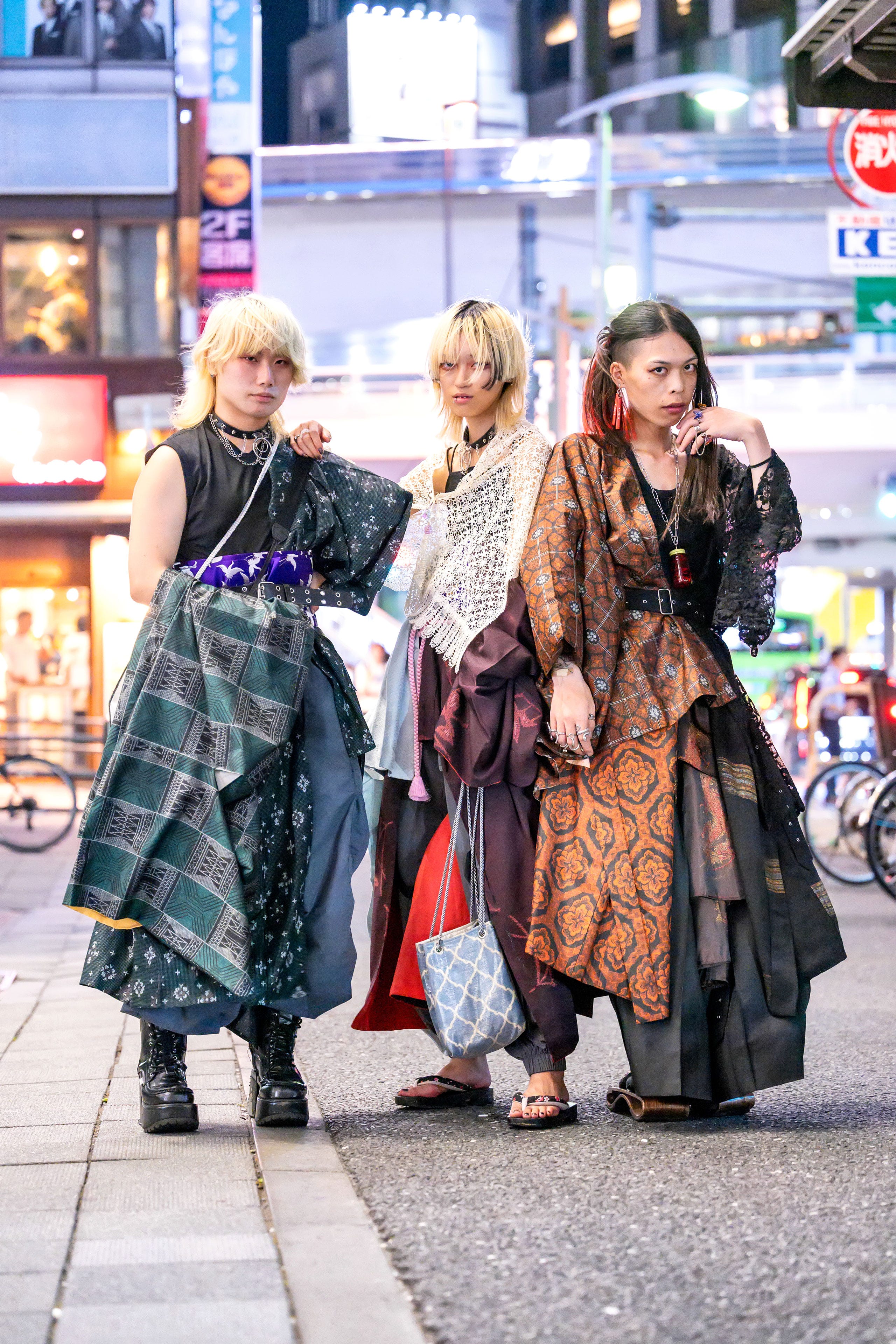
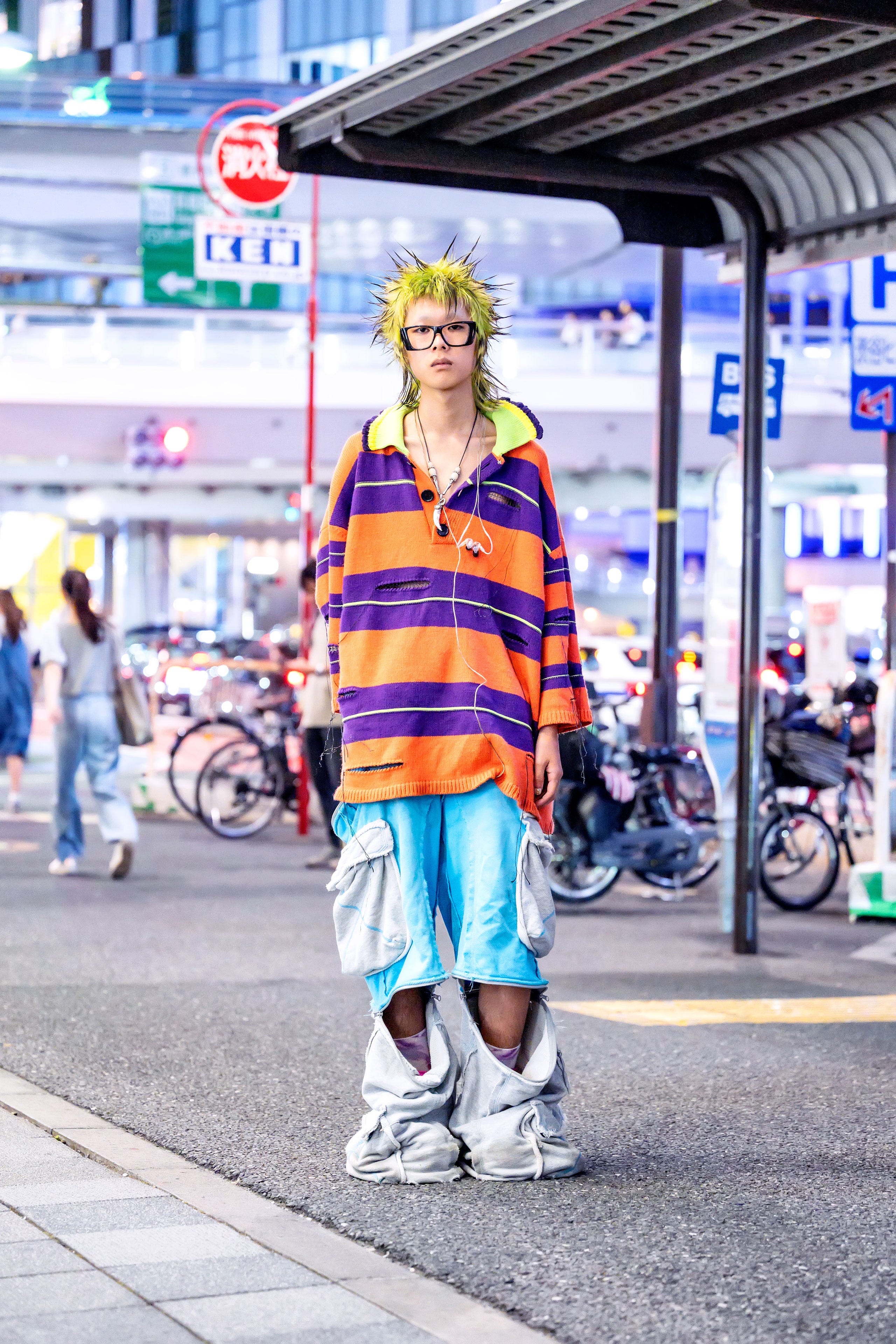
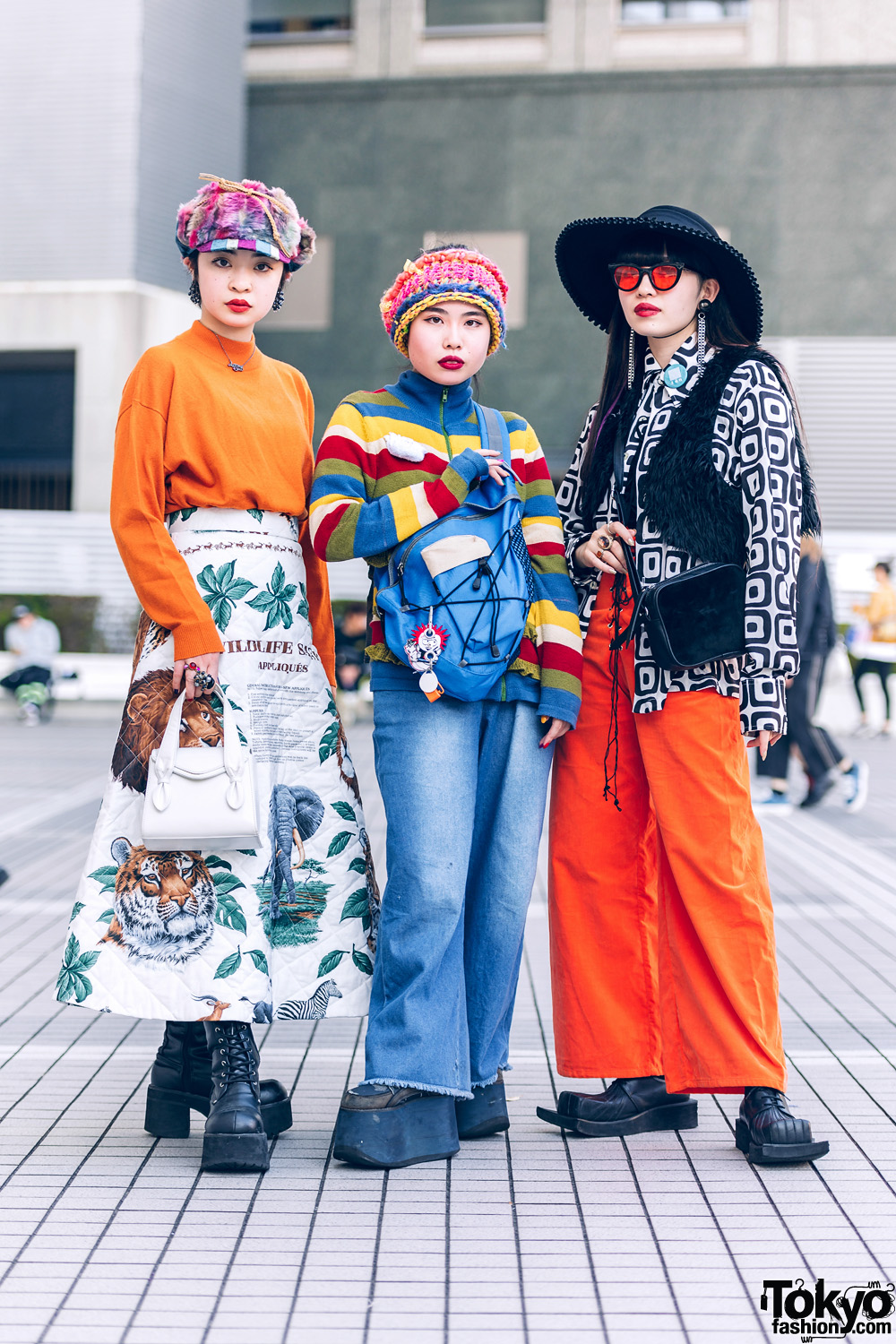
Step into the vibrant, ever-evolving world of Japanese street fashion, where individuality reigns supreme and conformity takes a backseat. More than just clothing, these styles are a powerful form of self-expression, a dazzling explosion of creativity that captivates the globe. From the bustling intersections of Shibuya to the quirky alleyways of Harajuku, Japan’s streets have become an unparalleled runway, showcasing a kaleidoscope of aesthetics that defy categorization. This isn’t just about following trends; it’s about inventing them, blending influences, and forging unique identities. If you’re looking for sartorial inspiration that’s bold, imaginative, and utterly unforgettable, then dive headfirst into the phenomenal realm of Japanese street fashion styles.
H3: The Genesis of Japanese Street Fashion: Chanel fashion show today a breathtaking masterpiece unveiled A Cultural Tapestry
To truly appreciate the magic of Japanese street fashion styles, we must first understand its roots. For decades, Japan has fostered a unique cultural environment where subcultures flourish. This fertile ground, combined with a deep appreciation for craftsmanship and a willingness to experiment, has given rise to the distinct styles we see today.
- Post-War Evolution and Western Influences: Following World War II, Japan began to absorb Western cultural influences, including fashion. Early adopters of American casual wear and rockabilly styles paved the way for a more experimental approach to dressing.
- The Rise of Subcultures: The 1970s and 80s saw the emergence of distinct youth subcultures like the Bosozoku (motorcycle gangs) with their distinctive, often flamboyant styles. This laid the groundwork for future stylistic movements.
- Harajuku: The Epicenter of Innovation: Harajuku, a district in Tokyo, became the undisputed heart of Japanese street fashion. Its pedestrian-only street, Takeshita Dori, transformed into a living, breathing exhibition of youth culture, where daring combinations and DIY aesthetics thrived.
H3: Decoding the Diverse Landscape of Japanese Street Fashion Styles
The beauty of Japanese street fashion lies in its sheer diversity. There isn’t a single monolithic style; rather, it’s a mosaic of distinct aesthetics, each with its own philosophy and visual language. Let’s explore some of the most prominent and influential Japanese street fashion styles.
H4: Lolita Fashion: Elegance and Innocence Reimagined
Lolita fashion is perhaps one of the most recognizable and visually striking Japanese street fashion styles. It draws inspiration from Victorian and Rococo aesthetics, emphasizing modesty, elegance, and a childlike innocence.
- Key Elements: Frills, lace, ribbons, petticoats, knee-high socks, Mary Jane shoes, and elaborate headdresses are all hallmarks of Lolita. Silhouettes are typically A-line or bell-shaped, creating a delicate and feminine appearance.
- Sub-Styles: Within Lolita, there are numerous sub-styles:
- Sweet Lolita: Characterized by pastel colors, cute prints (strawberries, sweets, animals), and an overall innocent and girlish vibe.
- Gothic Lolita: Employs darker colors (black, deep reds, purples), intricate lace, crosses, and a more mature, elegant, and slightly melancholic aesthetic.
- Classic Lolita: Focuses on more mature and refined designs, often incorporating floral prints, muted colors, and sophisticated silhouettes reminiscent of historical fashion.
- Punk Lolita: A fusion of Lolita’s elegance with punk rock elements like chains, studs, and tartan patterns.
H4: Decora Style: A Symphony of Color and Playfulness
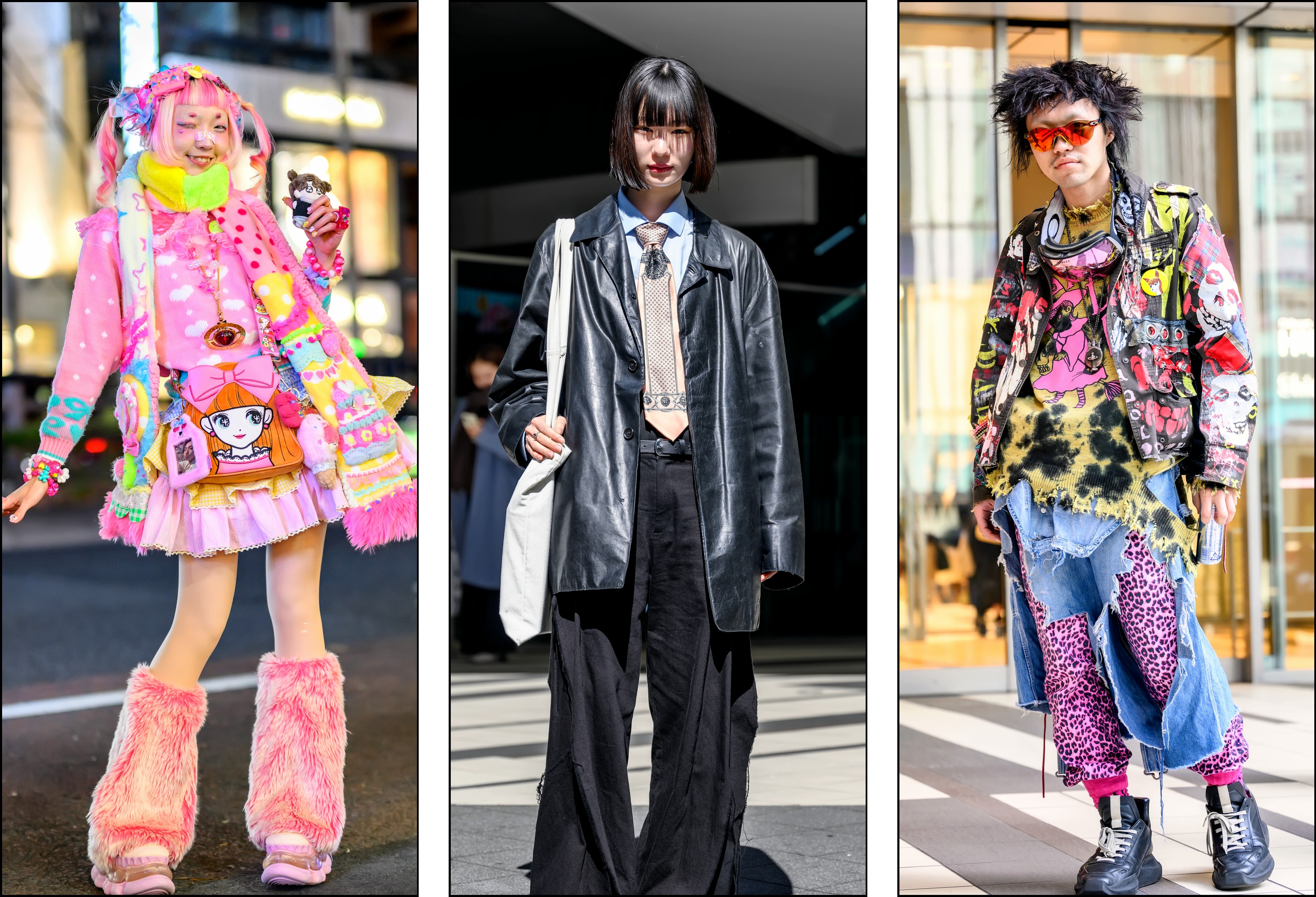
Decora, short for "decoration," is a Japanese street fashion style that celebrates maximalism and pure, unadulterated fun. It’s a riot of color, accessories, and cheerful energy.
- The "More is More" Philosophy: Decora enthusiasts believe that the more accessories they wear, the better. Think layers of brightly colored clips, bracelets, necklaces, and mismatched socks, all piled on with gusto.
- Key Elements: Neon colors, cartoon character motifs, plastic toys, glow sticks, and anything that sparkles or catches the eye are essential. Hair is often styled in vibrant colors and adorned with numerous hair clips.
- Expressing Joy: Decora is less about fitting in and more about radiating positivity and a childlike sense of wonder. It’s a bold statement against dullness and a celebration of individuality.
H4: Gyaru: The Glamorous Rebels of Shibuya
Gyaru, meaning "girl" in Japanese, is a broad term encompassing various subcultures that emerged in the late 20th century, known for their bold, tanned skin, bleached hair, and heavily emphasized makeup.
- Evolution of Gyaru: Gyaru fashion has evolved significantly over the years, from the early tanned and blonde "Amura" look to more diverse and sophisticated interpretations.
- Key Features: While styles vary, common elements include dramatic eye makeup (false lashes, colored contact lenses), meticulously styled hair (often bleached and permed), bold nail art, and fashionable, often revealing clothing.
- Sub-Styles:
- Ganguro: The most extreme form, characterized by very dark tanned skin, bleached blonde hair, and contrasting white makeup around the eyes and mouth.
- Yamanba: An even more exaggerated version of Ganguro, with even darker skin and more extreme makeup.
- Hime Gyaru: "Princess Gyaru," a more elegant and feminine take, often incorporating pinks, pastels, and sparkly accessories.
H4: Visual Kei: Theatricality and Rock ‘n’ Roll Rebellion
Visual Kei is a flamboyant and theatrical movement within Japanese music and fashion, heavily influenced by glam rock, heavy metal, and punk. It’s a style that blurs gender lines and emphasizes elaborate aesthetics.
- Artistic Expression: Visual Kei is deeply intertwined with the music scene. Bands and their fans often adopt similar elaborate costumes, makeup, and hairstyles.
- Key Elements: Androgynous looks, dramatic makeup (including heavy eyeliner, pale foundation, and bold lips), elaborate hairstyles (often spiked, dyed, and voluminous), corsets, leather, lace, and androgynous silhouettes are common.
- Themes: Lyrical themes often explore darkness, romance, despair, and fantasy, which are reflected in the visual presentation.
H4: Mori Kei: Embracing The factory shop near me reviews uncover amazing deals the Enchantment of the Forest
Mori Kei, translating to "forest style," is a serene and nature-inspired Japanese street fashion style. It evokes a sense of gentle whimsy and a deep connection with the natural world.
- A Gentle Aesthetic: Mori Kei is characterized by soft, muted colors, natural fabrics, and flowing silhouettes. The overall impression is one of organic beauty and understated charm.
- Key Elements: Earthy tones (browns, greens, creams), natural fabrics like linen and cotton, loose-fitting garments, layered pieces, floral and leaf prints, knitted items, and wooden accessories are central to this style.
- The "Forest Dweller" Persona: Mori Kei embodies a romanticized image of someone living in harmony with nature, often appearing shy, introspective, and slightly ethereal.
H4: Streetwear Fusion: The Global Influence on Japanese Styles
While Japan has its unique fashion heritage, contemporary Japanese street fashion styles are also a melting pot of global influences, particularly from Western streetwear.
- Skate Culture and Hip-Hop: The adoption of skatewear, oversized silhouettes, graphic tees, hoodies, and sneakers has become a significant part of many Japanese street styles.
- Anime and Manga Integration: Elements from anime and manga, such as character motifs, bold graphics, and vibrant color palettes, are frequently incorporated into streetwear.
- Brand Collaborations: Japanese brands are renowned for their innovative collaborations with international designers and artists, further blurring geographical and stylistic boundaries.
H3: The Spirit of Japanese Street Fashion: Individuality and Community
Beyond the aesthetics, the true power of Japanese street fashion styles lies in the spirit that underpins them.
- Celebration of Individuality: At its core, Japanese street fashion is about embracing and celebrating one’s unique identity. It’s a rejection of mass-produced conformity and a testament to the power of personal expression.
- DIY and Customization: Many enthusiasts actively participate in the creation and customization of their outfits. Sewing, altering, and embellishing clothes are common practices, allowing for a truly personalized touch.
- Sense of Community: Despite the emphasis on individuality, Japanese street fashion fosters strong communities. Enthusiasts often gather at specific locations, share their styles online, and inspire each other, creating a supportive and dynamic environment.
H3: Navigating the World of Japanese Street Fashion: Tips for Exploration
If you’re inspired to explore the world of Japanese street fashion styles, here are some tips to get you started:
- Observe and Learn: Follow Japanese fashion influencers and bloggers on social media. Explore platforms like Instagram, TikTok, and Japanese fashion magazines.
- Understand the Sub-Styles: Research the various sub-styles to find what resonates with your personal taste and aesthetic preferences.
- Start Small: You don’t need to dive headfirst into the most extreme styles. Begin by incorporating elements you admire into your existing wardrobe.
- Embrace Color and Texture: Japanese street fashion often plays with bold colors and interesting textures. Don’t be afraid to experiment!
- Accessorize Wisely: Accessories are key in many Japanese street fashion styles. Invest in unique jewelry, bags, hats, and footwear.
- DIY Spirit: Consider customizing existing garments or creating your own pieces to add a personal touch.
H3: The Enduring Appeal of Japanese Street Fashion Styles
Japanese street fashion styles continue to captivate the world not just because of their visual appeal, but because they represent a radical act of self-acceptance and creative freedom. They demonstrate that fashion can be a playful, imaginative, and deeply personal journey. The constant evolution and reinvention within these styles ensure that the streets of Japan will remain a vibrant source of inspiration for years to come. Whether you’re drawn to the elegance of Lolita, the exuberance of Decora, or the rebellious spirit of Visual Kei, there’s a Japanese street fashion style that’s waiting to be discovered and embraced.
H4: Frequently Asked Questions About Japanese Street Fashion Styles
Q1: Is Japanese street fashion only for young people?
A1: While many prominent styles originated with youth subcultures, the influence of Japanese street fashion is widespread. Elements of these styles can be adapted and incorporated by people of all ages who appreciate creative self-expression.
Q2: Where can I buy Japanese street fashion clothing?
A2: You can find Japanese street fashion items online through various retailers specializing in Japanese fashion, as well as through international online marketplaces. Some physical stores in major cities also carry select items.
Q3: Are Japanese street fashion styles difficult to replicate?
A3: While some styles are intricate, many elements can be incorporated into your existing wardrobe. The key is to understand the core aesthetics and gradually experiment with pieces that resonate with you.
Q4: What is the most popular Japanese street fashion style?
A4: Popularity can fluctuate, but styles like Lolita (especially its sub-styles), Decora, and various forms of streetwear influenced by global trends consistently maintain a strong presence and international recognition.
Q5: How important is makeup and hair in Japanese street fashion styles?
A5: For many Japanese street fashion styles, such as Lolita, Gyaru, and Visual Kei, makeup and hair are integral to completing the overall aesthetic and are considered as important as the clothing itself.
Q6: Is Japanese street fashion always about being outlandish?
A6: Not necessarily. While some styles are famously bold and flamboyant, others like Mori Kei are more understated and nature-inspired. The common thread is creative expression and individuality, which can manifest in various ways.
Conclusion:
The world of Japanese street fashion styles is an extraordinary testament to human creativity and the power of individual expression. It’s a realm where imagination knows no bounds, and where every outfit tells a unique story. We hope this deep dive has inspired you to explore these phenomenal styles further. What Japanese street fashion style has captured your heart? Share your thoughts and favorite looks in the comments below – let’s celebrate this incredible fashion phenomenon together!